Major restructuring of Criminal Code drug provisions began
The spring amendments formed part of a broader reform of criminal drug rules, after which cannabis / marijuana provisions were revised further.
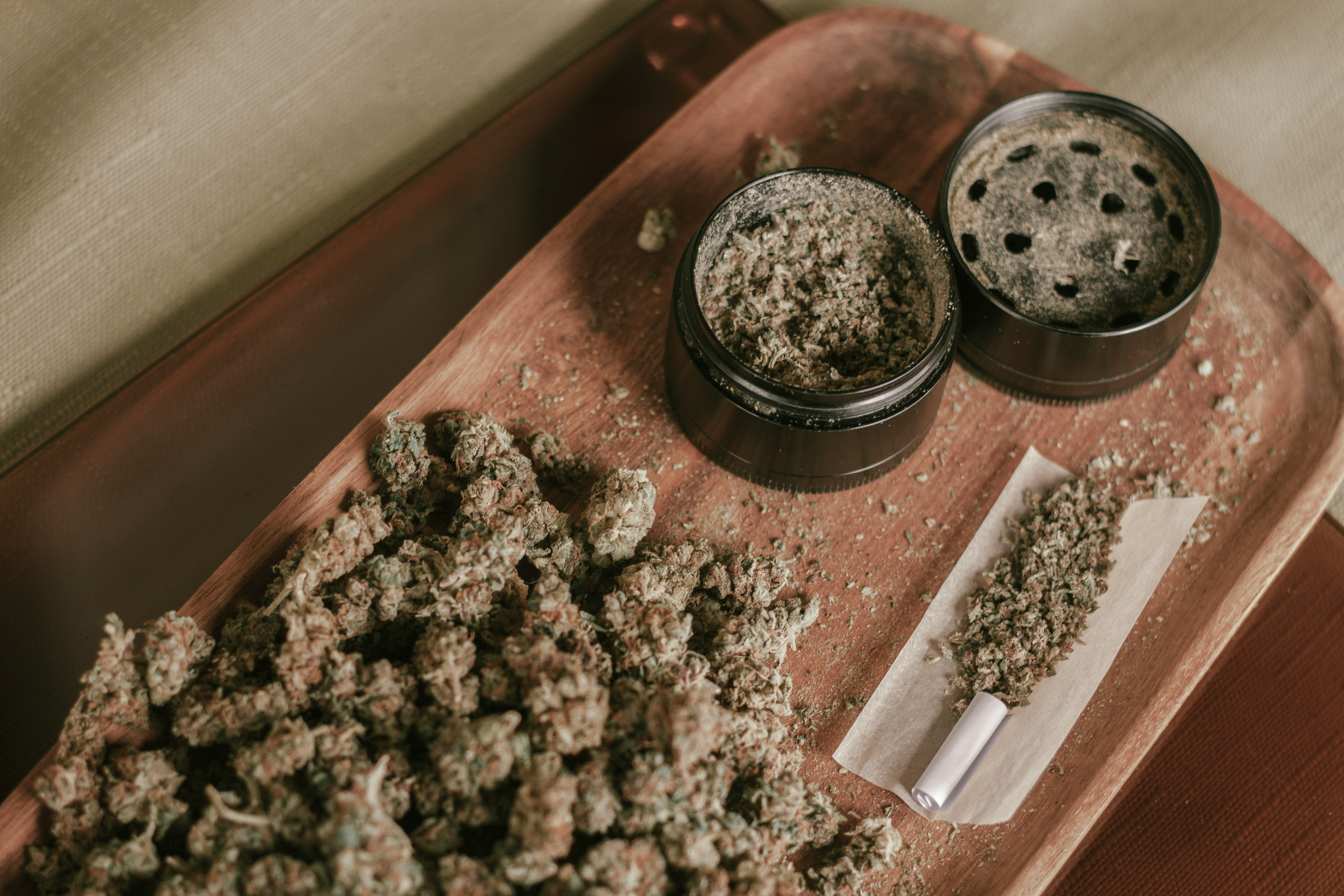
Georgia does not have a fully legal recreational marijuana market. Constitutional Court decisions gave adults broad protection for cannabis use in genuinely private settings, but acquisition, possession, transfer, sale, cultivation and border crossings remain subject to separate rules. After the 2025 reform, small-quantity thresholds again became central to understanding where administrative liability ends and criminal liability can begin.
For an adult 21+, cannabis use in a genuinely private residential setting has broader protection than other cannabis-related acts. Public places, hotels and several special situations are regulated separately.
Even a small amount does not become a lawful retail purchase. Article 45¹ treats unlawful acquisition of a small amount as an administrative offence.
Small quantities of cannabis plant / marijuana fall under administrative liability after the July 2, 2025 changes. Above the small-quantity threshold, criminal rules can apply.
Transfer of a small amount is covered by Article 45¹; above the small-quantity threshold, a separate criminal offence governs unlawful transfer. Sale is treated more severely.
If you'd like to learn more about making a purchase, click the link.

Tbilisi appears frequently in searches such as 'weed in Tbilisi', 'marijuana in Tbilisi' and 'can you buy weed in Tbilisi'. But the capital does not have its own legalization regime or recreational market: national Georgian law applies. In practice, the important distinctions are between private use, public use, acquisition, possession and sale.
The July 2025 changes set the current small-quantity thresholds. These figures define the administrative regime; they are not a legal allowance to carry cannabis freely.
For unlawful acquisition, possession, transport or transfer of a small amount of cannabis plant / marijuana, Article 45¹ provides for a 500 GEL fine. These numbers are classification thresholds, not a 'permitted amount'.
Additional consequences. On March 26, 2026, the Constitutional Court upheld mandatory loss of driving rights for 3 years and several other rights — including public-service employment, teaching and firearms-related rights — for 5 years after an Article 45¹(1) offence.
The spring amendments formed part of a broader reform of criminal drug rules, after which cannabis / marijuana provisions were revised further.
Parliament stated that up to 10 g of cannabis plant, 5 g of dried marijuana and 10 g of raw marijuana fall under the administrative regime. Amounts above the small-quantity threshold can trigger criminal liability.
The Constitutional Court reviewed the three-year driving restriction and five-year restrictions on several other rights and did not find them manifestly disproportionate.
The Court found imprisonment for acquiring and possessing that amount of resin for personal use disproportionate, but did not strike down the criminal classification itself.

Not through a normal recreational retail market. Georgia has no licensed dispensary system where an adult can simply buy marijuana legally for non-medical use. That is why searches such as 'where to buy weed in Tbilisi' can create the false impression that legal retail exists.
The 2018 Constitutional Court decision did not create an unconditional right to use marijuana anywhere. Article 45¹ lists situations where cannabis use can still lead to an administrative fine.
For an adult 21+, cannabis use here has the broadest protection unless a special restriction applies.
An ordinary residential lease is not treated as commercial activity for the Article 45¹ exception; hotels and family hotels are treated separately.
Public use: 800–1,200 GEL; repeat offence: 1,200–1,500 GEL.
Even in private, use or being under the influence in the presence of a minor can lead to a 1,000–1,500 GEL fine.
Cannabis use itself has the broadest constitutional protection in this setting. But acquisition and possession are assessed separately, and the presence of a minor or other special circumstances changes the legal position.

For visitors, it is risky to apply domestic possession thresholds to airports or the state border. Travel within Georgia, possession in a car, use at an airport and international import are different situations. Article 262 regulates unlawful import, export and transit separately from the administrative small-quantity regime inside Georgia.
Criminal Code Article 265¹ separately regulates the unlawful sowing, growing and cultivation of plants containing narcotic substances. The Constitutional Court has also stressed that the risks associated with cultivation differ from the risks of use itself: the potential for production and onward circulation is assessed separately.

Georgia has no simple rule that 'medical cannabis is legal' or 'CBD is always legal'. The law distinguishes controlled substances, medicinal forms and product categories. Cannabis, its extracts and tinctures, cannabis oil and cannabis resin are specially controlled, while dronabinol is regulated separately. The status of a specific CBD/THC product therefore depends on its composition, form and how it is supplied or imported.
Georgia's current cannabis regime did not come from one 'legalization law'. It developed through Constitutional Court decisions followed by amendments to administrative and criminal legislation. That is why use, possession and sale now have different legal treatment.
The Court found criminal liability for marijuana use incompatible with the right to free personal development. The ruling concerned use, not automatic legalization of possession or cultivation.
The Court rejected the general administrative ban on use, while allowing the state to protect the rights of others and public order in specific situations.
Parliament established the current small-quantity thresholds and revised criminal liability for acquisition, possession, transfer, sale and cultivation.
The Court upheld mandatory restrictions on several rights after an Article 45¹(1) offence and separately clarified the limits of punishment for a small amount of cannabis resin intended for personal use.
In Paata Cherkezishvili v. Parliament, the Constitutional Court considered the acquisition and possession of 0.1315 g of cannabis resin for personal use. The Court found imprisonment for that amount disproportionate because it would generally be sufficient only for personal use and did not by itself demonstrate a real risk of distribution. However, the Court did not find the criminal liability for acquiring and possessing that amount unconstitutional.
The case is a useful reminder that 'marijuana', 'hash / resin' and 'small quantity' are not interchangeable legal categories: cannabis resin has its own thresholds.
The legal status was checked against consolidated texts on Matsne, materials from the Parliament of Georgia and decisions of the Constitutional Court of Georgia. Where an older travel article conflicts with current law, the current official text takes priority.
Not as a fully legal recreational market. Private use by adults has broader protection than acquisition and possession; small quantities are subject to administrative liability, while sale, cultivation and import are regulated more strictly.
No. Five grams of dried marijuana is a small-quantity threshold, not a legal allowance. Article 45¹ provides for a 500 GEL fine for unlawful acquisition, possession, transport or transfer of a small amount.
There is no ordinary legal recreational retail market or licensed dispensary system. Acquiring even a small amount is itself an administrative offence, while sale is governed by criminal law.
Cannabis use on a street, in a park, yard, square, café, restaurant, public transport, airport and other public places can result in an 800–1,200 GEL fine.
For an adult 21+, a private residential setting is the most protected context. However, the presence of a minor and other special circumstances can create separate liability.
A hotel room should not be treated as an ordinary private-residence exception. The note to Article 45¹ treats hotels and family hotels separately from ordinary residential rental.
There is no ordinary legal recreational market with licensed dispensaries for adults in Georgia. The more protected status of private use does not create a lawful retail-purchase system.
Domestic travel is not an import, but transport still falls under rules on quantity and lawful possession.
Import is governed by Article 262. A 2022 Constitutional Court decision limited the possibility of imprisonment for importing no more than 9.68 g of dried marijuana for personal use, but did not make such import lawful.
The court decisions decriminalizing use did not legalize cultivation. Article 265¹ separately provides liability for unlawful sowing, growing and cultivation.
There is no broad dispensary-style program for cannabis flower. Certain controlled cannabinoid pharmaceutical substances may have a separate medical regime; dronabinol is listed in List II.
You should not assume that every CBD oil is automatically legal. Cannabis oil and extracts are controlled by law, and the legal status of a specific product depends on origin, composition, THC content and the rules governing import or supply.
In July 2025, the current small-quantity thresholds were established and the liability structure was revised. In 2026, the Constitutional Court addressed additional restrictions on rights and a separate case involving 0.1315 g of cannabis resin.
Cannabis resin is regulated separately from plant-form marijuana and has its own quantity thresholds. The June 24, 2026 Constitutional Court decision removed the possibility of imprisonment in a specific case involving 0.1315 g for personal use, but did not legalize acquisition or possession of resin.