01
Prohibition
Possession, acquisition, cultivation or sale are prohibited outright or allowed only under narrow exceptions. The type and severity of liability usually depend on quantity, circumstances and intent.
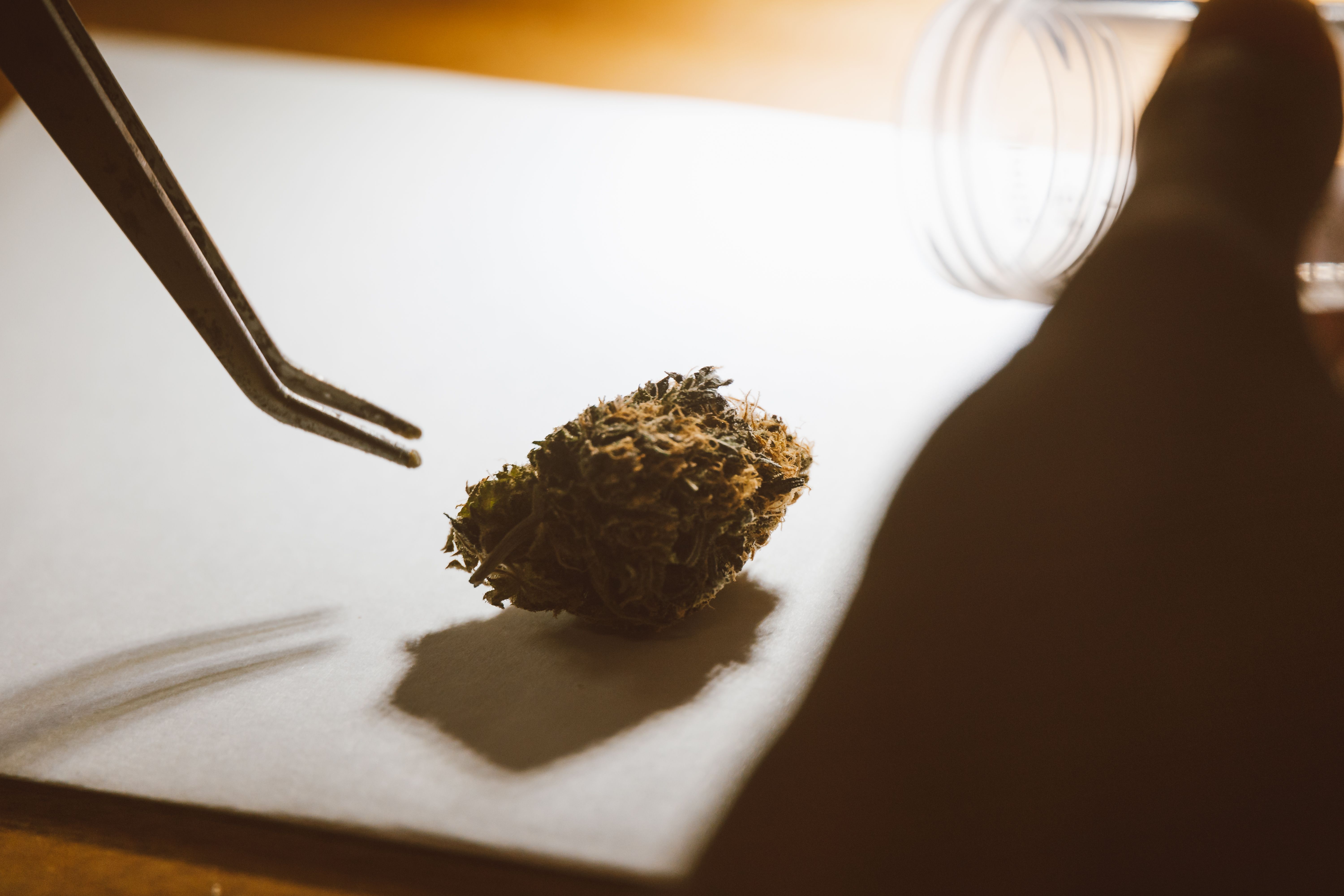
In one country, possessing a small amount of cannabis can still be a criminal offence; in another, it has been decriminalized; elsewhere, adults can access cannabis through a regulated market. Medical access, CBD, home cultivation, border rules and driving are usually governed separately. This guide looks at the main legal models in 2026 and what current research says about cannabis and cannabinoids.
UNODC estimates that about 256 million people used cannabis in 2024 — more than any other illicit drug. The World Drug Report 2026 also reports cannabis cultivation in at least 155 countries. That scale has not produced a single global model: countries define possession limits, medical exceptions, sales rules and penalties in very different ways.
Even where use or possession of a small amount is legal or decriminalized, buying, supplying another person, cultivation, driving and crossing an international border can fall under separate — and much stricter — rules.
estimated number of people who used cannabis during 2024.
UNODC · World Drug Report 2026countries where cannabis cultivation has been reported by UNODC.
UNODC · World Drug Report 2026
Possession, acquisition, cultivation or sale are prohibited outright or allowed only under narrow exceptions. The type and severity of liability usually depend on quantity, circumstances and intent.
Certain low-level offences involving small amounts are removed from the criminal sphere or punished less severely. Production and sale can still remain illegal.
Specific cannabinoid medicines or forms of medical cannabis are available by prescription within a defined system — often only for particular conditions.
Adults can legally access cannabis within a regulated framework. Typical restrictions cover age, possession limits, places of use, advertising, licensing and driving.
According to UNODC, by December 2025 Canada, Uruguay and 28 U.S. jurisdictions had adopted legal provisions allowing non-medical cannabis use in some form. The details still vary widely, including rules on access, home possession limits, retail sales and public consumption.
A single label can hide important differences. A country may reduce penalties for possessing a small amount while continuing to prohibit sale and cultivation. Or it may approve one cannabinoid medicine without creating a broader medical cannabis system.
Cannabis contains many naturally occurring cannabinoids. The best known are Δ9-THC and CBD. In many legal systems, THC concentration is used to separate product categories, but thresholds and calculation methods differ. A 'CBD' label therefore does not by itself tell you whether a product can be sold, carried or imported.
Δ9-tetrahydrocannabinol is the main component associated with the characteristic intoxication produced by cannabis. Its effects are mediated largely through CB1 receptors in the central nervous system. With high-THC products, dose, acute cognitive effects and driving safety become especially important.
Cannabidiol (CBD) does not produce the characteristic intoxication associated with THC. That does not make every CBD product a medicine, safe for everyone or legal in every country. Composition, actual THC content, product form and local regulation all matter.
A 2026 review in the European Journal of Internal Medicine describes a shift from inflated expectations toward a more realistic clinical assessment. The authors note that measured benefits are often modest and depend heavily on the product, dose and patient group, while the evidence base is limited by heterogeneous studies and difficulties with blinding.
Approved cannabinoid medicines do exist. In the United States, the FDA has approved Epidiolex, a purified CBD medicine, for certain epilepsy syndromes, as well as three synthetic cannabis-related medicines based on dronabinol or nabilone. This distinction matters: evidence for a standardized approved medicine cannot automatically be applied to any cannabis or CBD product.
A Biological Psychiatry neuroimaging study found that acute cannabis exposure alters the dynamics of brain states, helping researchers describe short-term neurobiological effects more precisely.
A review of 28 randomized trials across 12 mental health and substance-use disorders found some short-term positive signals, but no study demonstrated long-term effectiveness.
A systematic review found that trace THC in CBD and hemp-oil products may result from contamination, inaccurate labeling or production factors, and in some circumstances can matter for drug-testing outcomes.
Legal status is not a measure of safety. Even in countries with regulated markets, driving, underage use, pregnancy, high-THC products and public consumption are treated separately. Risk is increasingly assessed through specific scenarios rather than a simple 'safe versus dangerous' label.

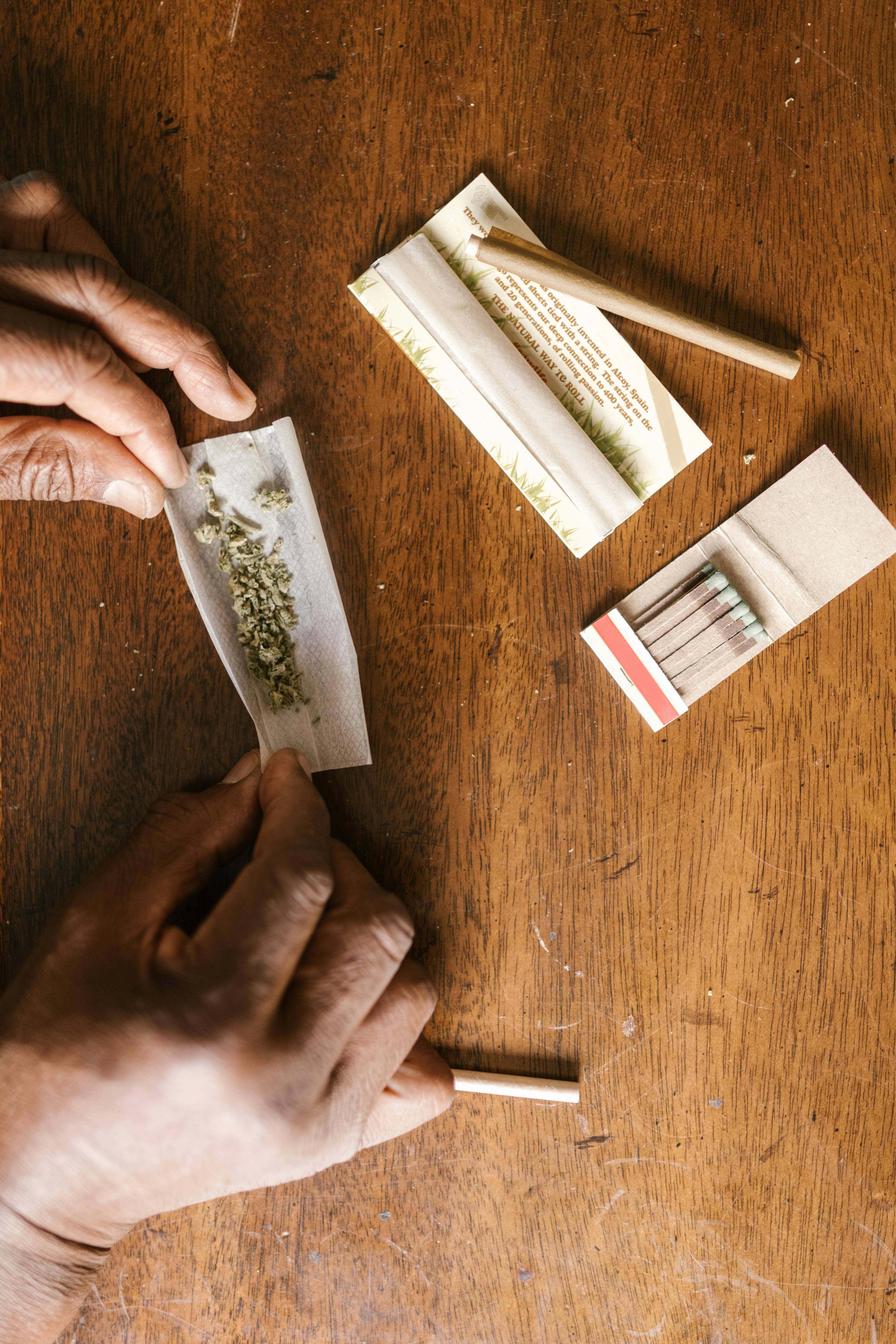
Modern drug control is no longer concerned only with marijuana and hashish. New psychoactive substances continue to emerge, including synthetic cannabinoids. In 2026, acting on a WHO recommendation, the UN Commission on Narcotic Drugs placed MDMB-FUBINACA — a potent synthetic cannabinoid linked to severe poisoning — under international control.
The decision illustrates a wider shift: regulation increasingly focuses on the specific molecule, pharmacology and risk profile. At the same time, countries continue to revise rules for CBD, industrial hemp, cannabinoid medicines and non-medical cannabis use.
Global figures are checked against the World Drug Report 2026, international policy changes against WHO and CND materials, and medical claims against FDA documents and peer-reviewed research. Where the evidence remains limited, the text says so explicitly.